All Categories
Featured
Table of Contents
Stopping working to carry out effective operations leads to predictable obstacles: Wasted resources on disconnected efforts Misaligned goals throughout teams Missed out on market chances due to slow execution Failure to measure actual marketing effect Difficulty scaling effective projects By contrast, well-designed marketing operations optimise procedures, incorporate technological abilities, and empower teams to make smarter, quicker decisions that scale with company growth.
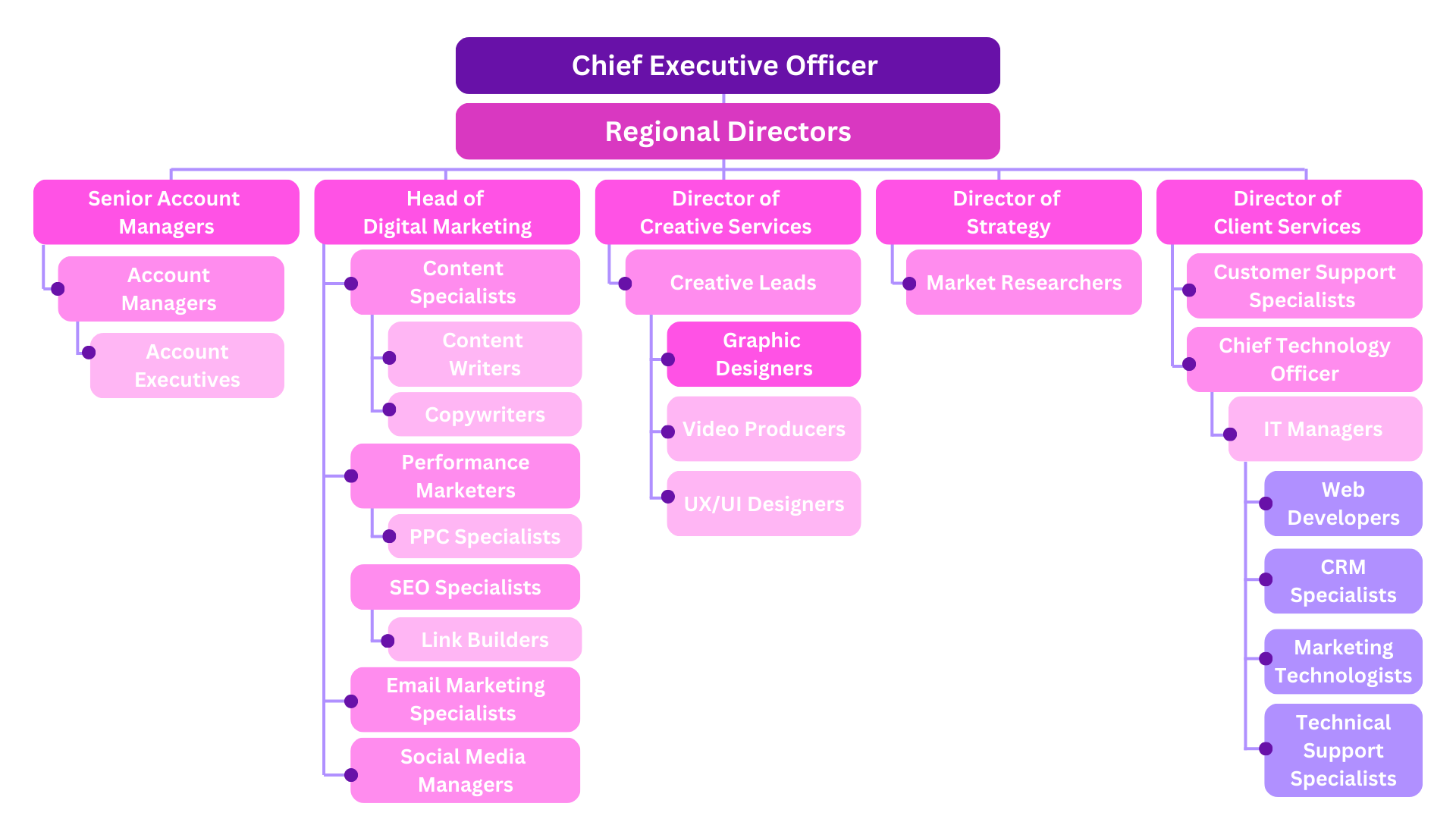
Developing world-class marketing operations requires addressing four crucial pillars: processes, innovation, data, and people. When these components work in consistency, they make it possible for smooth project execution, insightful measurement, and constant optimisation. For any marketing team, distinct processes form the foundation for sustainable functional performance. Even with innovative tools or top-tier talent, a lack of standardisation develops friction points that undermine performance.
CRM Integration for Service TeamsWorkflow Mapping: Start with a detailed audit of existing workflows connected to project development, lead management, and reporting. Usage visualisation tools like Miro or Lucidchart to recognize ineffectiveness and redundancies. Automation-Driven Improvements: Eliminate repeated tasks through marketing automation platforms such as HubSpot, Marketo or Pardot. According to Forrester Research, marketing automation lowers marketing overhead by 12.2% while increasing sales performance by 14.5%.
Efficiency Measurement Systems: Develop clear KPIs for each process to make it possible for continuous assessment and improvement. Case Research Study: Process Transformation at Vodafone UK Vodafone UK reorganized their project development process by executing standardised workflows and approval systems. This transformation minimized project launch time by 40% and increased project compliance from 76% to 98%, demonstrating how procedure standardisation straight affects organization results.
Modern marketing is inherently technology-dependent. When developing your stack, focus on platforms that boost effectiveness and deepen insights: Campaign Management: Systems such as Salesforce Marketing Cloud, Oracle Eloqua, and HubSpot simplify CRM combination and make it possible for omnichannel project coordination.
Scaling a Marketing Agency Within the US Market
Information Visualisation: Platforms such as Tableau and Power BI change raw metrics into absorbable, actionable visual insights. Job Management: Solutions like Asana, or ClickUp coordinate team activities and track deliverables. Disconnected tools result in fragmented data and impede collaboration. Guaranteeing seamless combination by means of platforms like Zapier, MuleSoft or native API connections guarantees frictionless workflows, constant reporting, and cross-team coordination.
Resolving this integration difficulty yields considerable benefits, as shown by companies like Dell, where integrating their CRM system with other marketing tools caused an 18% enhancement in lead-conversion rates through more targeted, data-informed campaigns. Maximising your tech stack requires constant training initiatives concentrated on skill-building and feature optimisation. Setting adoption metrics connected to organization results increases responsibility and ROI from technological financial investments.
According to McKinsey, companies that break down data silos see a 15-25% boost in marketing productivity. Data Governance Frameworks: Develop clear protocols for data gain access to, usage, and maintenance to ensure consistency throughout the organisation.
Regular Audits: Set up quarterly data-quality reviews to determine and address emerging concerns before they affect performance. Real-World Example: Spotify's Data Innovation Spotify provides a leading example of information development, combining structured quality control with sophisticated machine finding out for customer division. Their technique has driven a 20% increase in subscriber conversion and a 15% boost in listener engagement, showing how advanced data management directly affects service outcomes.
Evaluating Traditional Systems Versus 2026 Operations Blueprints
A blend of specialised roles and collaborative culture underpins successful marketing operations. A high-functioning marketing operations group usually consists of these vital functions: Marketing Operations Supervisor: Manages organisational technique, technology advancement, and procedure optimisation.
Automation Expert: Configures workflows, manages integrations, and ensures the innovation stack provides maximum value and effectiveness. Material Operations Professional: Manages the content production pipeline, making sure consistency, compliance, and effective property management. Given today's quick technological advancement, promoting a culture of flexibility is critical. Strategies to develop such strength include: Upskilling Initiatives: Dedicate quarterly discovering budget plans for expert training in emerging tools and methods.
According to McKinsey, companies that break down information silos see a 15-25% increase in marketing efficiency. Data Governance Frameworks: Establish clear protocols for data access, use, and upkeep to guarantee consistency across the organisation.
Routine Audits: Arrange quarterly data-quality evaluations to identify and address emerging issues before they affect performance. Real-World Example: Spotify's Data Innovation Spotify provides a leading example of information development, integrating structured quality assurance with advanced device discovering for consumer segmentation. Their technique has driven a 20% boost in subscriber conversion and a 15% increase in listener engagement, showing how advanced information management straight impacts business outcomes.
A blend of specialised roles and collaborative culture underpins successful marketing operations. A high-functioning marketing operations group normally consists of these essential roles: Marketing Operations Manager: Manages organisational method, technology development, and process optimisation.
Can Better Systems Grow Your Digital Agency?
Automation Professional: Configures workflows, handles combinations, and makes sure the innovation stack provides optimum value and performance. Material Operations Specialist: Manages the content production pipeline, making sure consistency, compliance, and efficient possession management.

Latest Posts
How Verified Insights Propel Sector Growth
Understanding Sector Growth Trends across Domestic Hubs
Upcoming Sector Marketing Trends Across the US